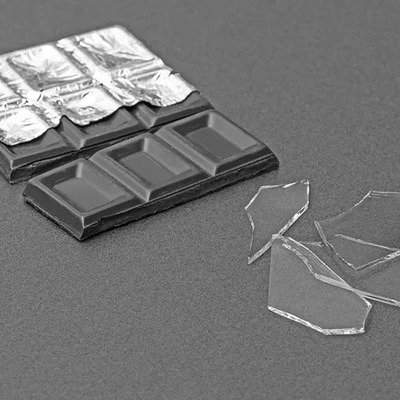
Proof that inspiration can come from anywhere.
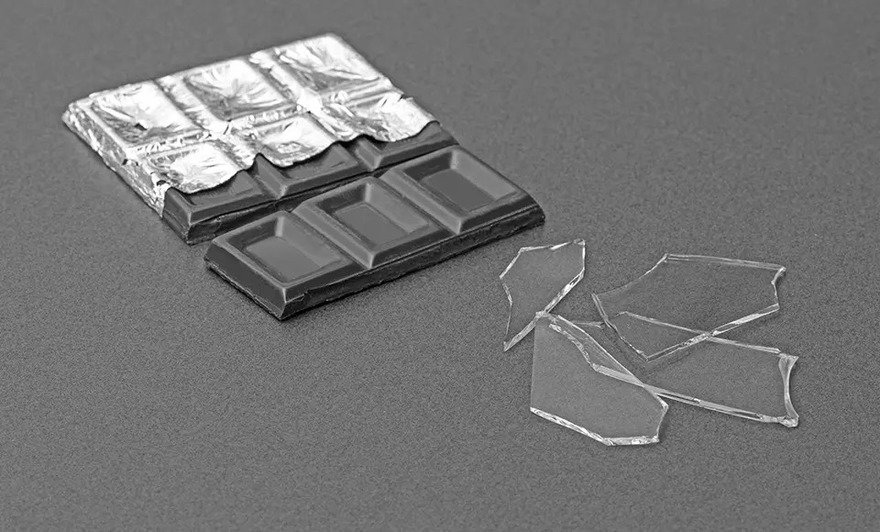
We take it for granted that chocolate bars are molded into segments, so that we can cleanly break off a portion.
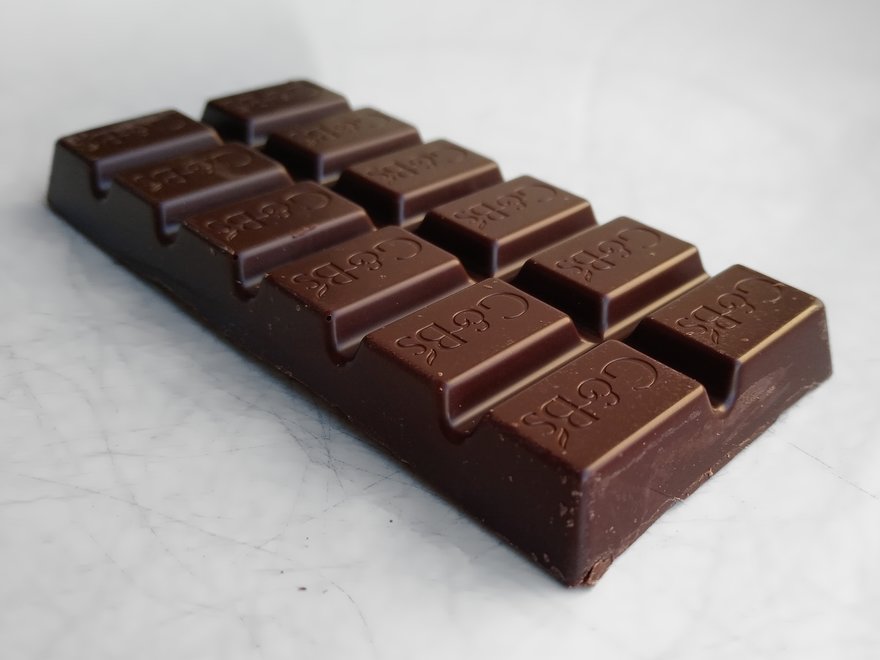
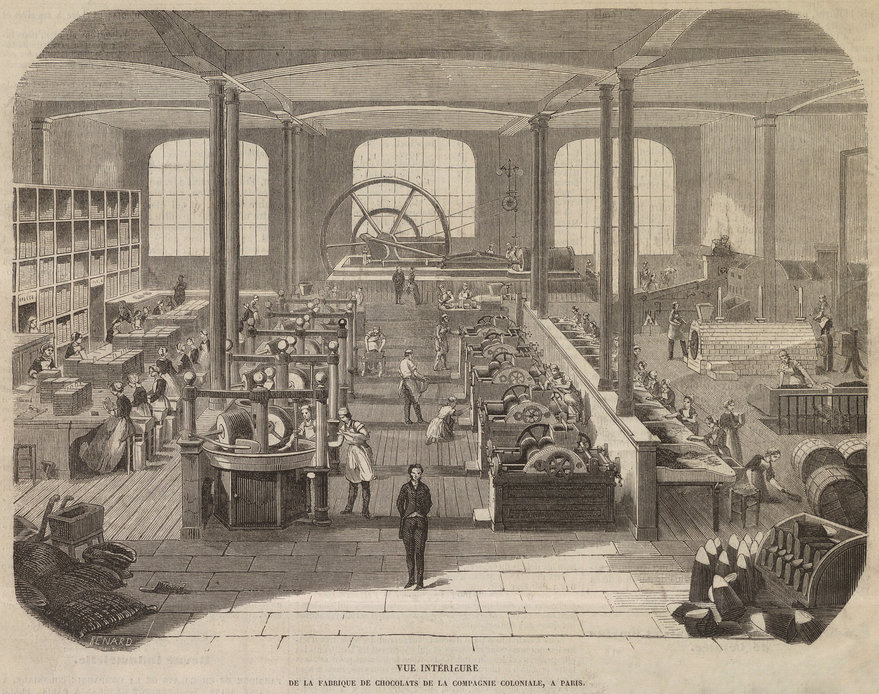
It's unknown who, precisely, came up with this early bit of UX design. But it was likely devised in an 18th-century French chocolate factory.
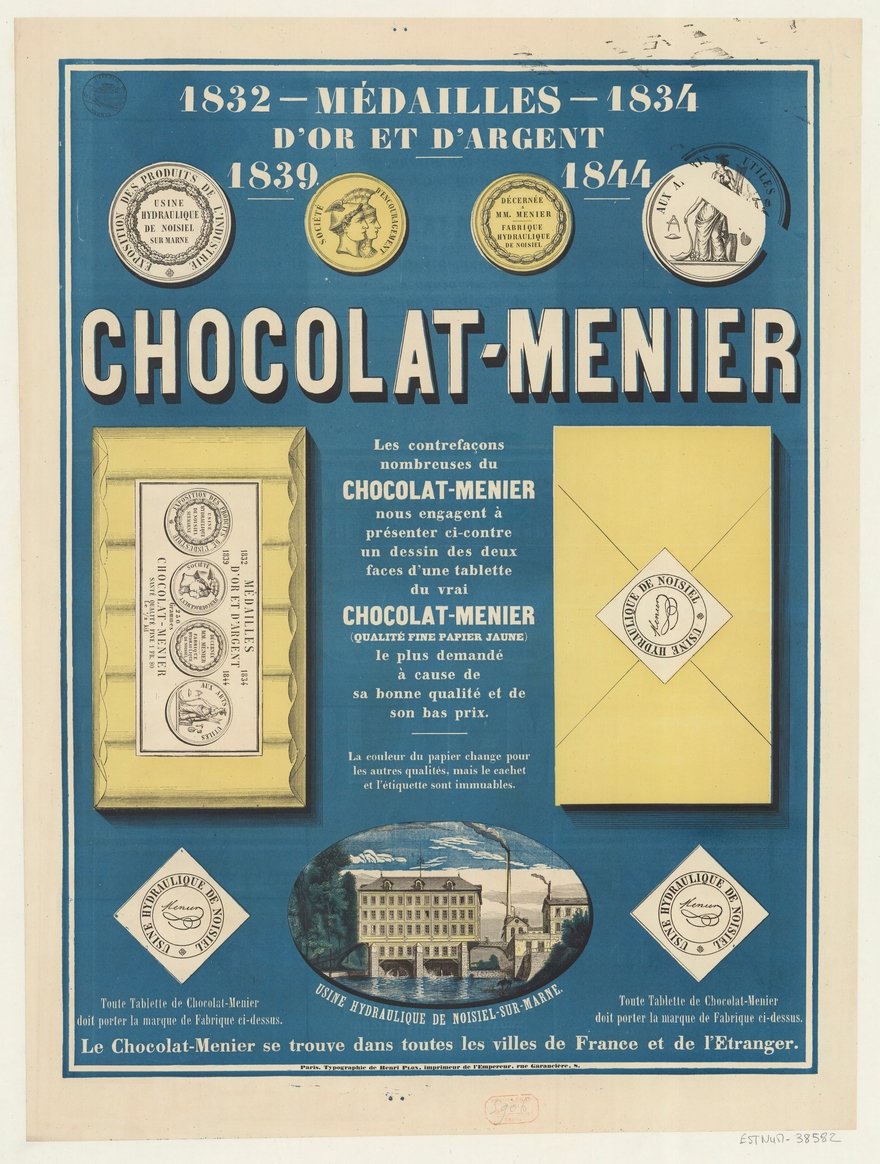
Images of chocolate sold by French chocolatier Antoine Brutus Menier in the 1830s show that the bars are molded into six segments.
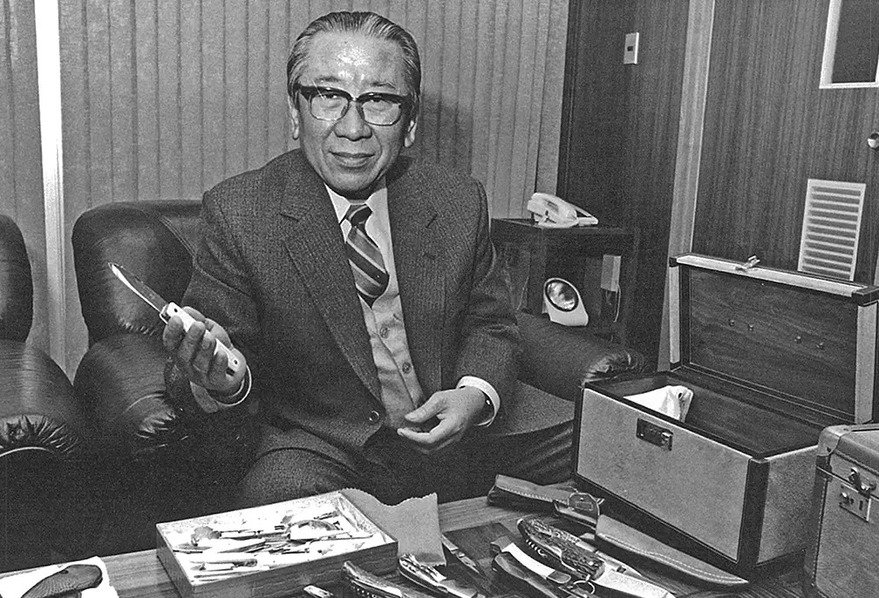
Whoever came up with it, segmented chocolate bars existed in 20th century Japan. Yoshio Okada, who worked for a printing company in the 1950s, had eaten them.
At the time, workers cut paper using razor blades, which went dull quickly. Getting a fresh blade took time. Okada wondered: Could he make a blade like a chocolate bar, where segments could be snapped off to produce a fresh, sharp edge? Glass, Okada knew, presented a sharp edge when snapped; he'd seen shoemakers using glass shards to cut soles, and their practice was to break a new shard when they needed a fresh edge.
Okada worked at it and produced a prototype. But when he brought his idea to blade manufacturers, they thought he was crazy: "A blade is no good if it breaks," and "You can't sell this kind of thing even if you make it," he was reportedly told.
Undeterred, by 1959 he'd saved up the money to order a batch of 3,000 of his blade designs from a local factory. The batch arrived flawed, and Okada reportedly reworked all of the defects himself, with hand tools, over a period of three months.
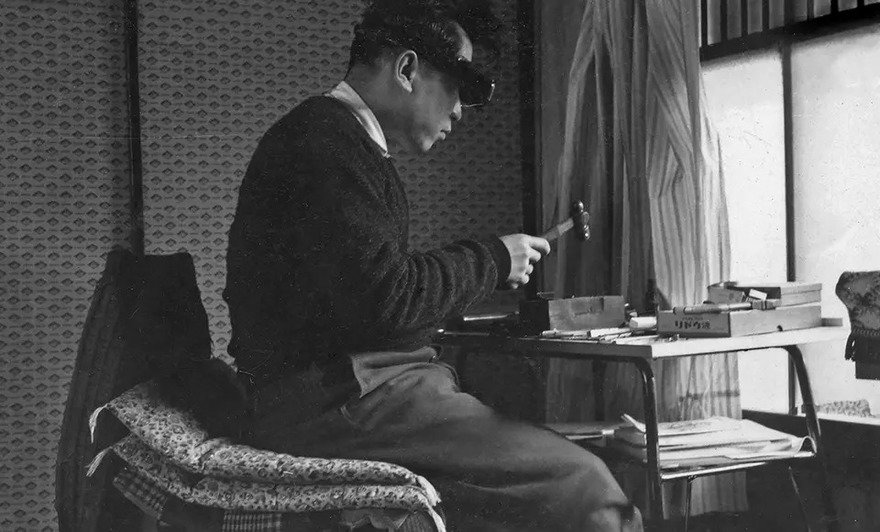
Prototype of his first model:

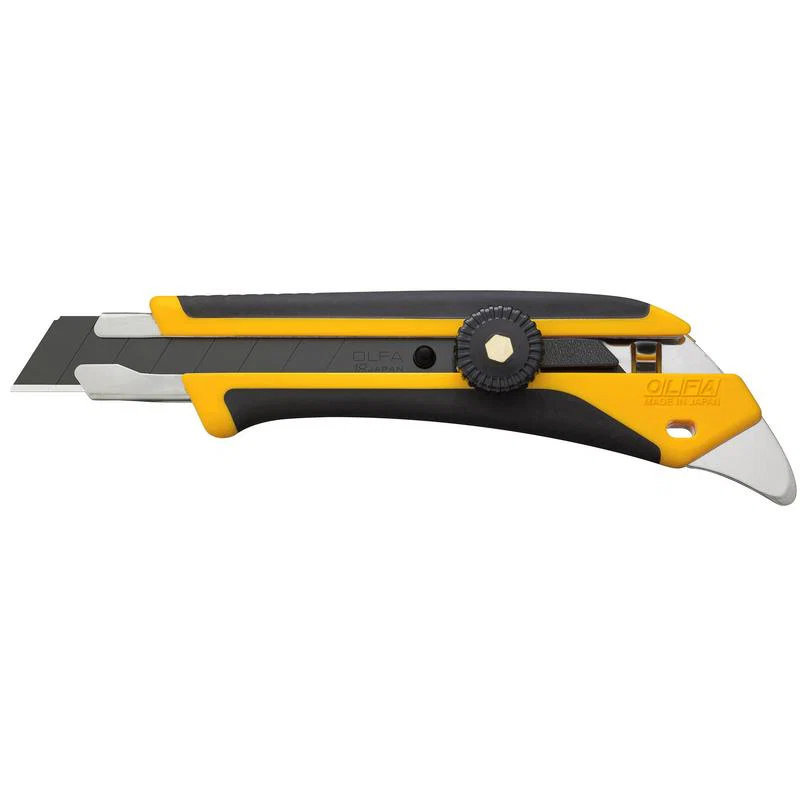
Commercial version of the first model:
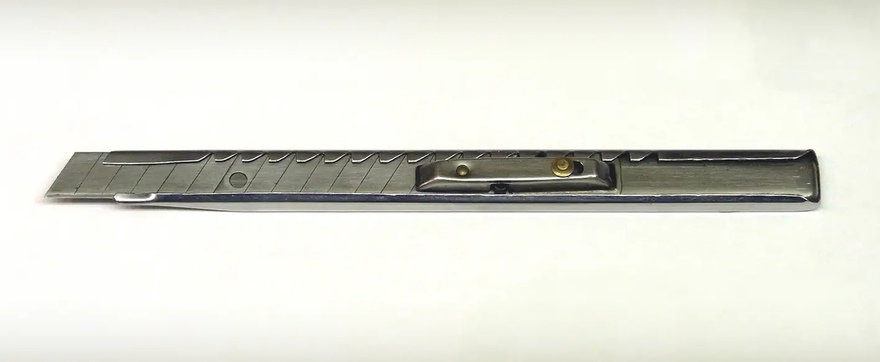
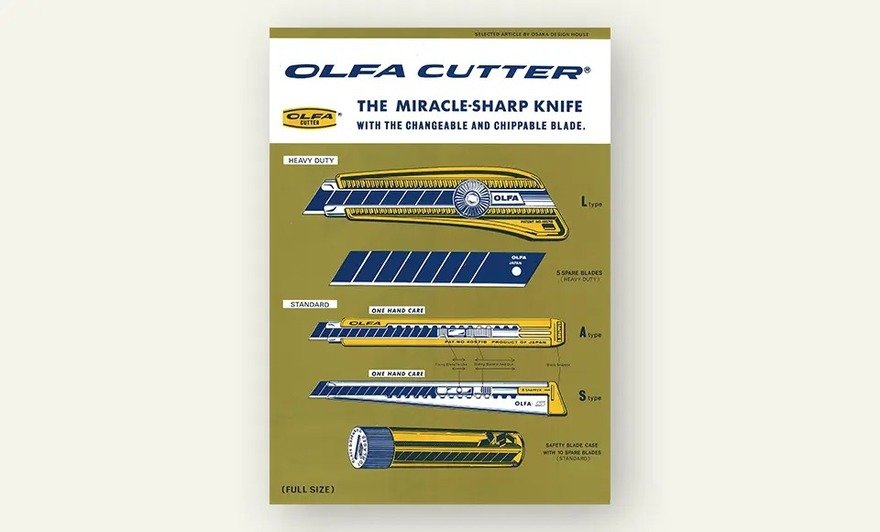
Okada began selling them, and they were a hit. He launched his own company, which you know today as OLFA. (Fun fact: The company name is a derivation of, roughly, "break blade" in Japanese.)