Swedish architect Gert Wingårdh designed this Kvarnhuset ("Mill House") in 2000, as a small vacation getaway.
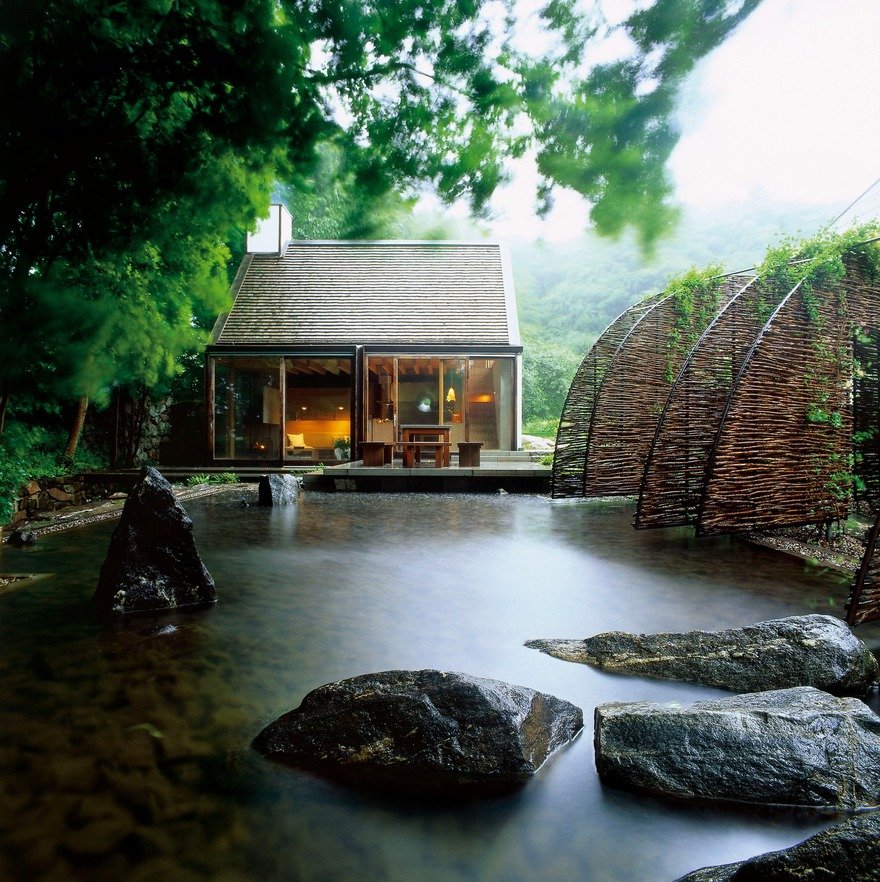
There's a highly unusual detail you can just about make out:
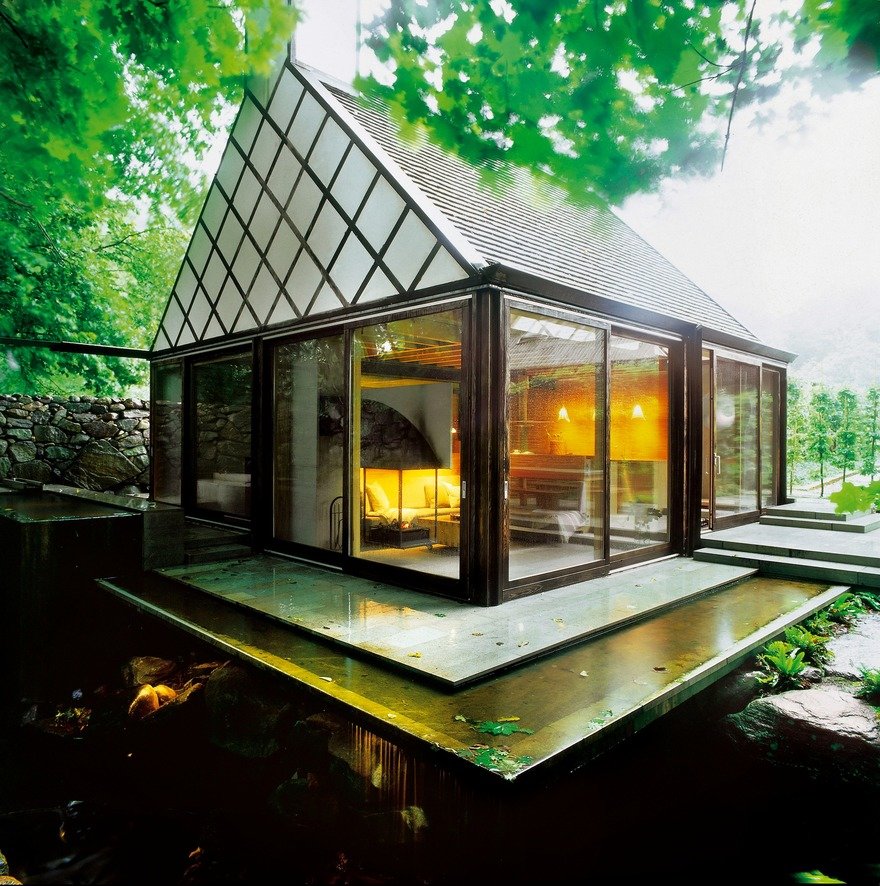
The downspout is open on one side. It's simply a gutter that's been placed vertically.
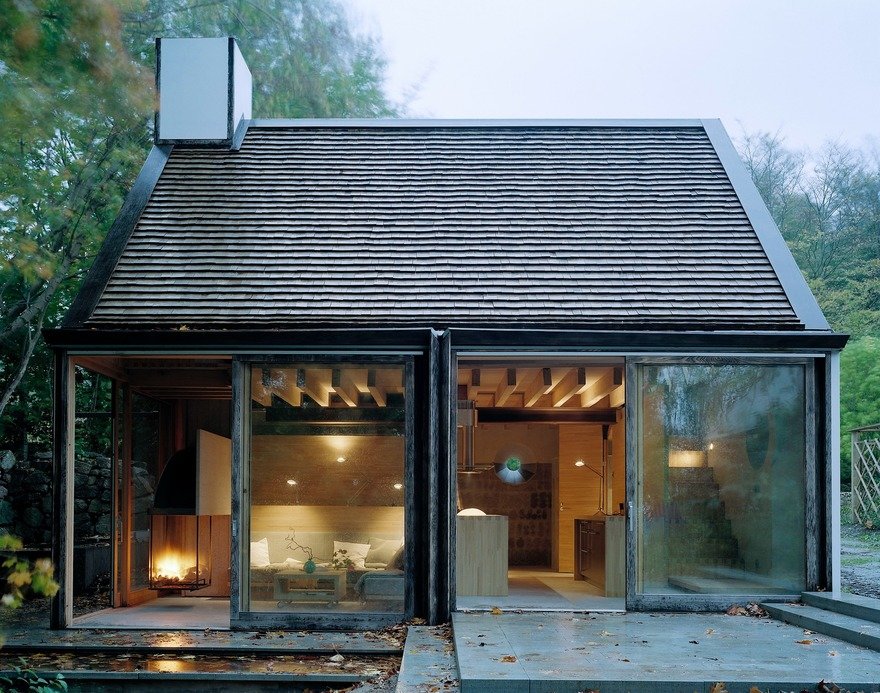
Wingårdh never explained this decision (at least that I can find). Architecture websites covering the house did not remark on the downspout design either.
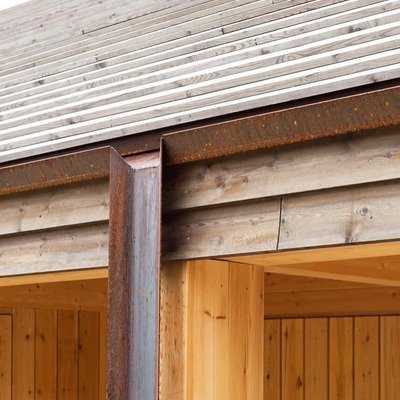
A group who did notice the gutter was Norwegian architecture firm LJB. They cribbed the feature for their design of the Atnbrua Museum in 2013, which made sense as the museum is about historical uses for water power; the open downspout thus draws attention to water.
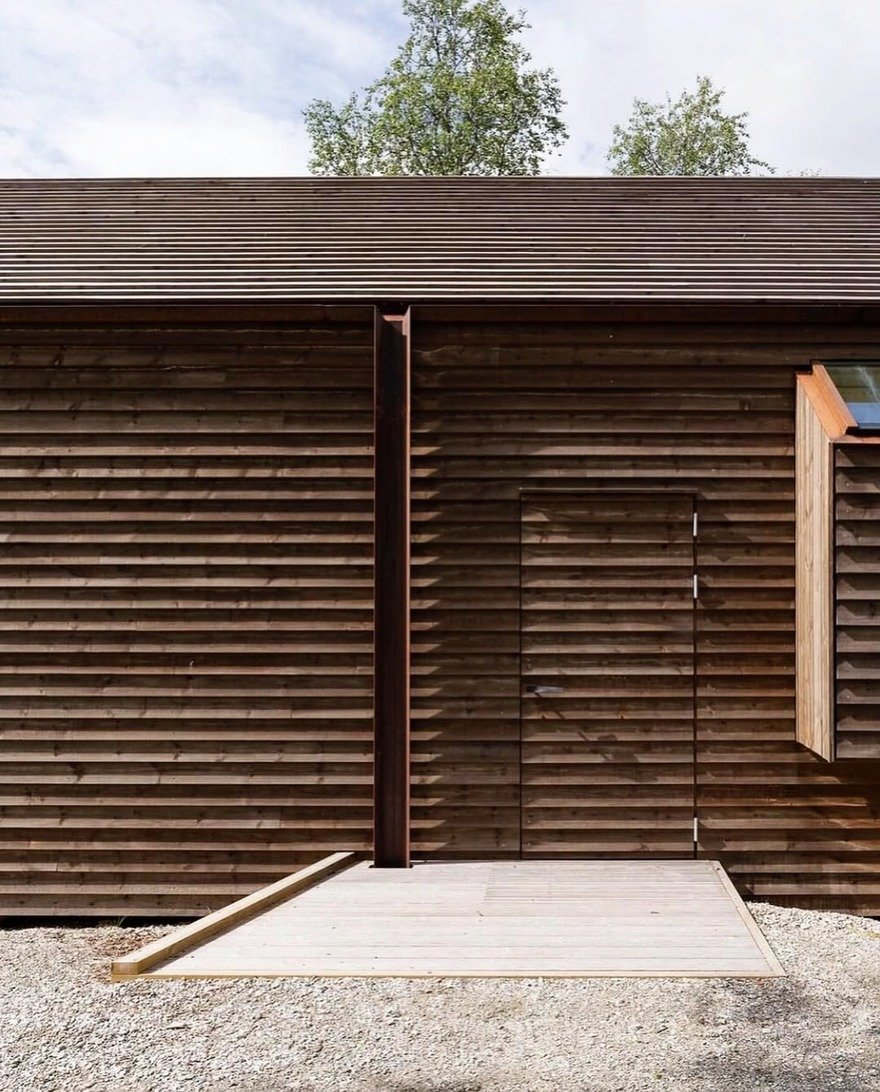
"In our office we have a thing for gutters," the firm writes, and cites Wingårdh's Mill House as a direct inspiration.
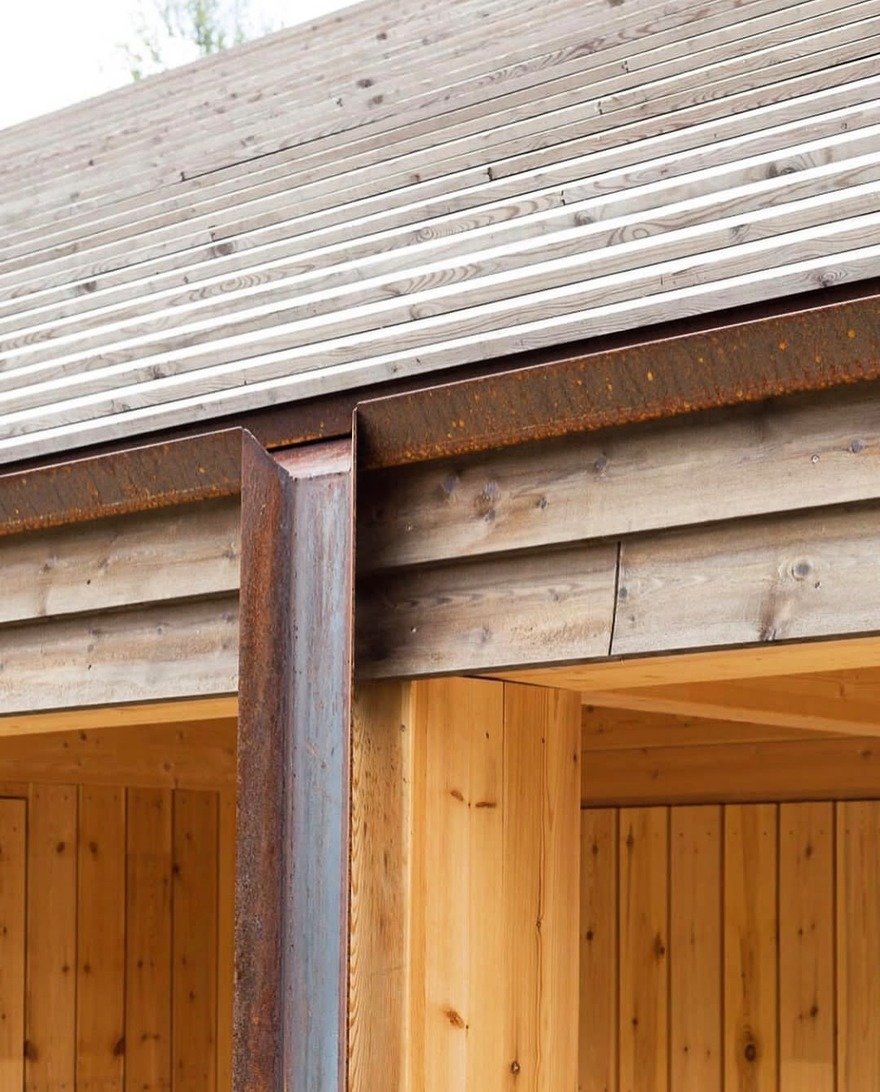
I personally think the feature looks cool as heck, but am curious about the practical considerations. Downspouts are typically enclosed to contain splashing during downpours; has this open-sided design had any adverse effect on the durability of the siding? I'll likely never know the answer: Architecture firms, and the publications that cover their work, are typically unconcerned with all-important pragmatic details like water management.