
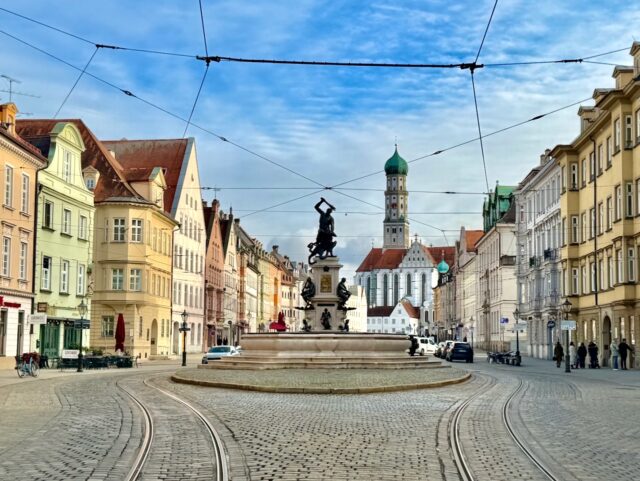
There’s a certain romance to train travel in southern Germany – a gentle unfolding of landscapes where vineyard-clad hills, medieval spires and storybook towns drift past your window like scenes from a film. While I’ve explored much of this region on previous trips, my recent 8-day rail journey, from the fringes of the Black Forest to the historic heart of Franconia, was one I’ll cherish for a long time. Beginning in Freiburg im Breisgau, my southern Germany rail trip carried me onward to Tübingen, Augsburg, Regensburg and Würzburg, each stop revealing its own distinct character. What struck me most was the wondrous blend of rich history and vibrant culture, where breathtaking monuments sit alongside youthful energy, all framed by some of southern Germany’s most beautiful natural landscapes.
Exploring southern Germany by rail
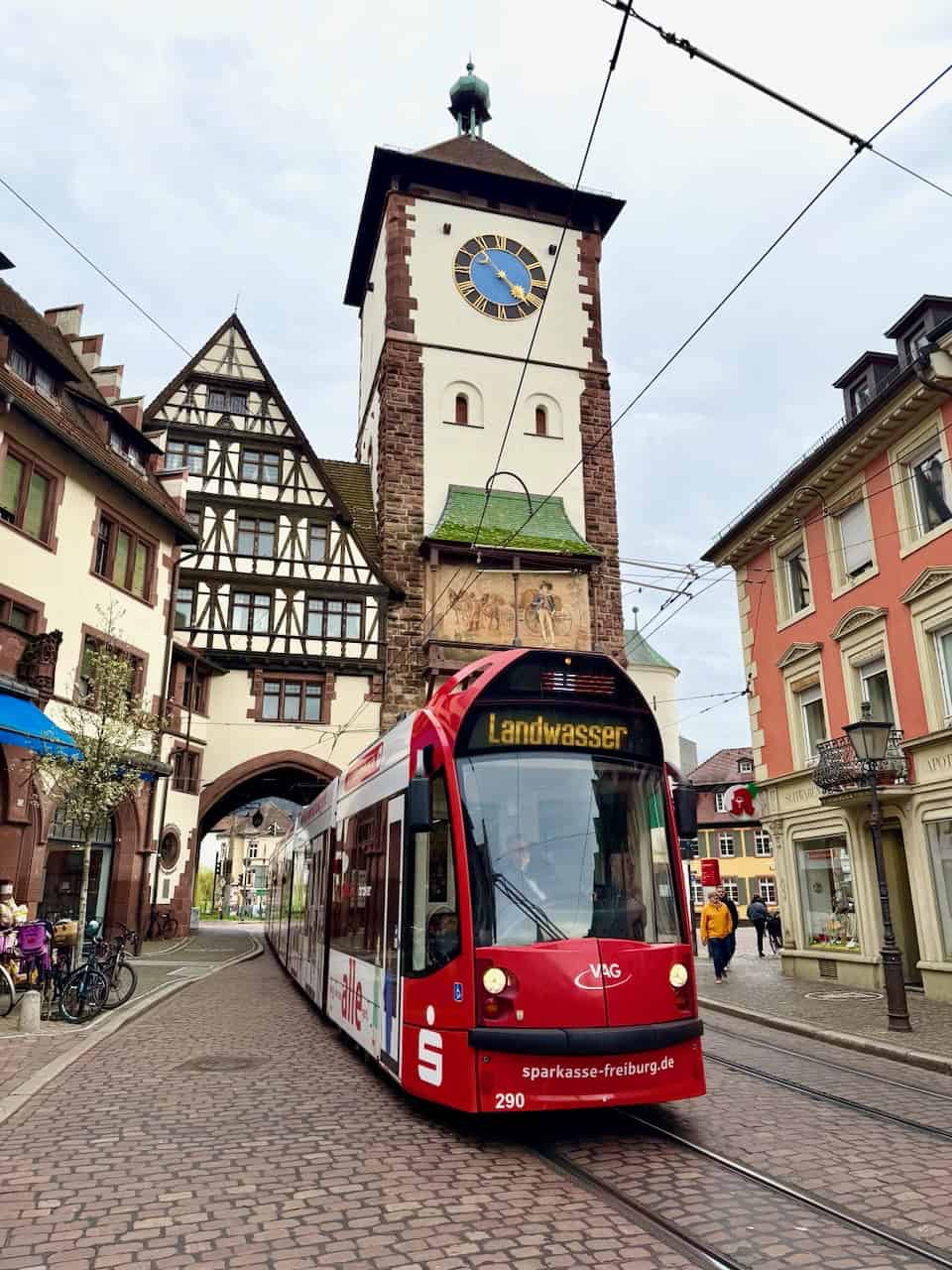
I kicked off this rail trip in Freiburg im Brisgau, a beautiful city at the edges of the Black Forest in southwestern Germany. Freiburg is connected by rail to all corners of Germany, and also has an airport which it shares with Basel (Switzerland) and Mulhouse (France). From Freiburg, I made my way to Tübingen before continuing to Augsburg. My next stop was colourful Regensburg, on the banks of the Danube River. From there, I took the ICE (InterCity Express) train to Würzburg, a stunning city roughly halfway between Nuremberg and Frankfurt.
Southern Germany rail trip: 8-day itinerary
• Day 1-2: Freiburg im Brisgau (2 nights)
• Day 3: Train to Tübingen in the morning (1 night in Tübingen)
• Day 4: Train to Augsburg in the morning (1 night in Augsburg)
• Day 5: Morning in Augsburg. Train to Regensburg in the afternoon (1 night in Regensburg)
• Day 6: Regensburg in the morning; train to Würzburg in the afternoon (2 nights in Würzburg)
• Day 7-8: Würzburg
This rail journey across southern Germany, created in partnership with Historic Highlights of Germany, brought together everything I love about travel: captivating historic cities, verdant landscapes, striking architecture and outstanding food and wines (and beer!).
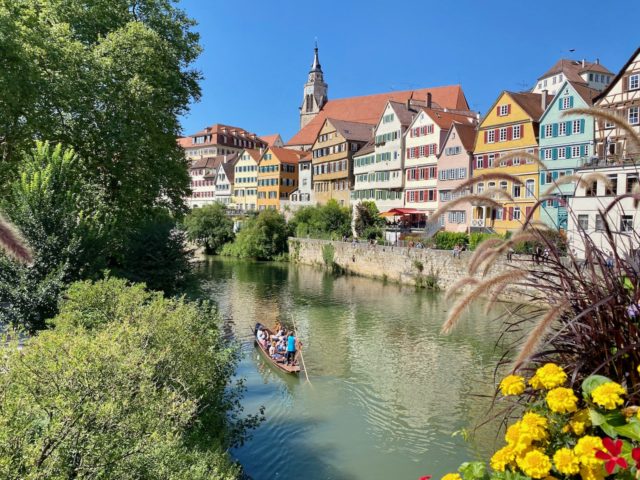
The cities I visited have so much to offer and are best enjoyed at a slower pace. These five cities, Freiburg, Tübingen, Augsburg, Regensburg and Würzburg, are part of the 17 heritage cities known as Historic Highlights of Germany. The 17 cities are typically university towns with a rich historical legacy and a vibrant cultural scene, paired with a wide array of restaurants, local design boutiques and food stores. These cities have another important point in common: they are all easy to explore on foot. Here are my highlights in each city:
Freiburg im Brisgau
Tübingen
Tübingen, a town on the shores of the Neckar River, feels like a page from a medieval storybook. One of the few completely intact Altstädte (old towns) in Germany – having survived WWII unscathed – it has a remarkably preserved maze of cobbled lanes, half-timbered houses and canal-lined streets. The old town of Tübingen is a joy to explore and to photograph.
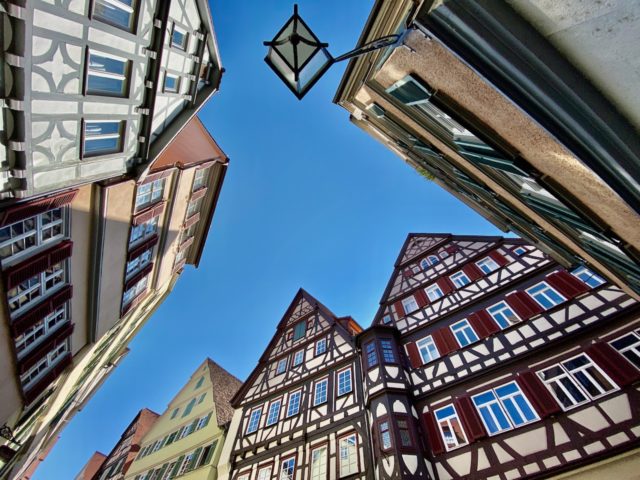
Tübingen (map) also has one of the oldest universities in Europe, with students comprising about one-third of the total population. This gives it an undeniably youthful, intellectual buzz.
Highlights of Tübingen
The best things to do in Tübingen are to simply roam its charming streets and immerse yourself in its medieval atmosphere. Start at the Neckar River, where you can enjoy a river punting cruise in the summer, and make your way up to the old town.
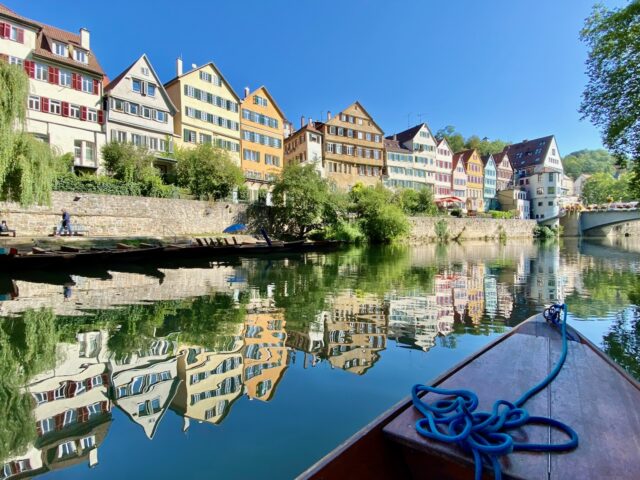
Neckarfront
The Eberhardsbrücke (bridge) crosses the Neckar River and is the main thoroughfare from the train station to the old town. From the bridge, there’s a wonderful view of the gorgeous Neckarfront, a row of colourful houses overlooking the river.
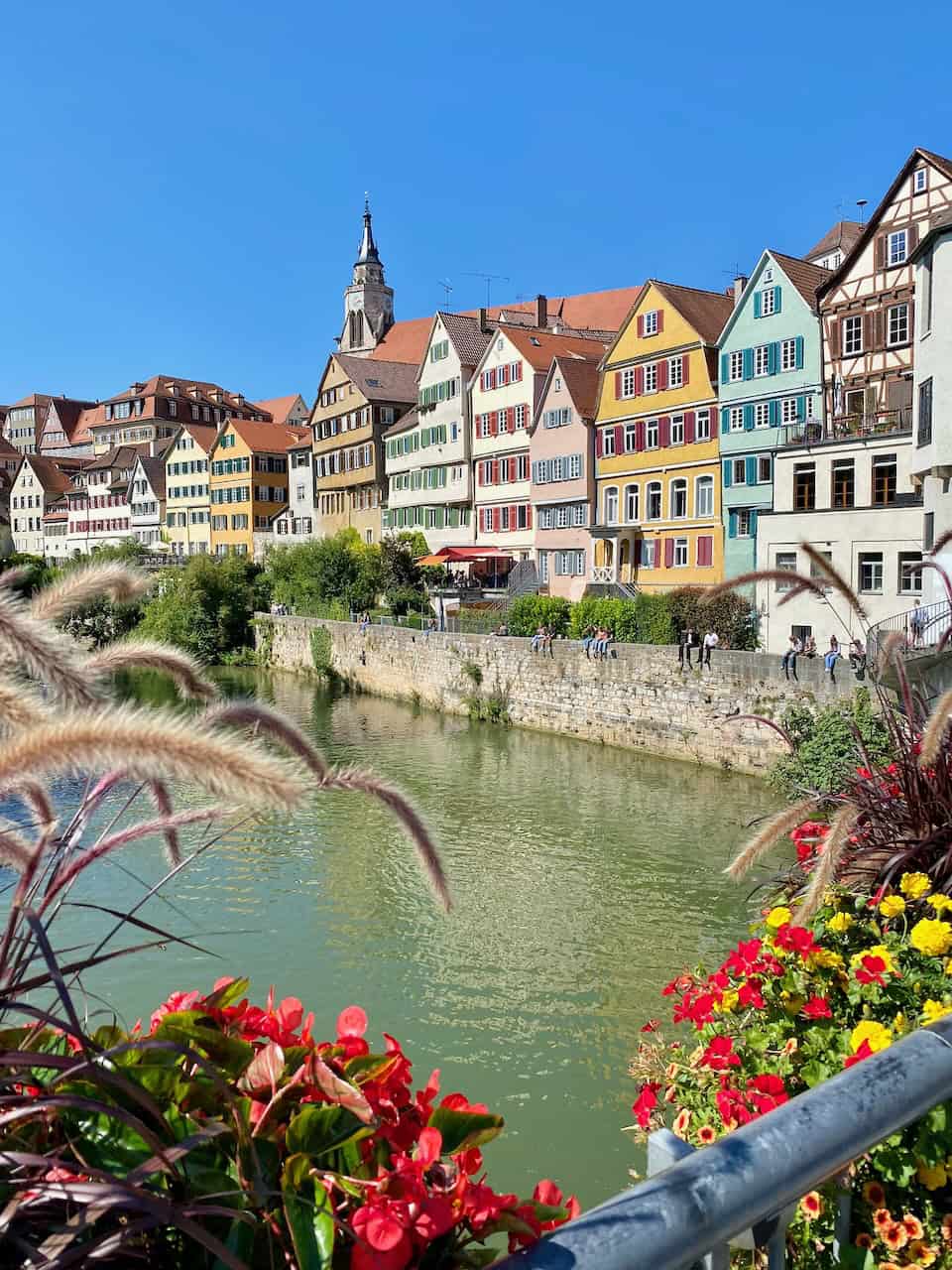
Holzmarkt
In the heart of the old town, overlooking Holzmarkt, is the 15th century Stiftskirche St. Georg (Collegiate Church of St. George). It’s possible to climb the tower for panoramic views of the town’s red rooftops.
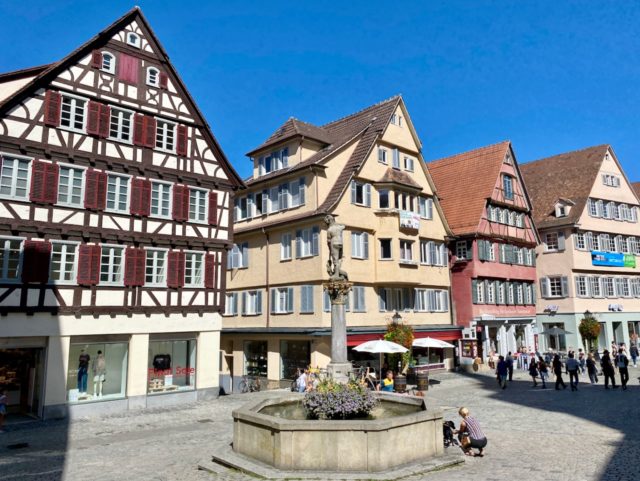
Marktplatz and Rathaus
A short stroll away lies Marktplatz, the town’s bustling market square. Overlooking the square, the town’s Rathaus (old town hall), with its ornate façade, vies for attention with the beautiful Neptune fountain. The square is the venue of the popular farmers’ market every Monday, Wednesday, and Friday morning (7am – 1pm).
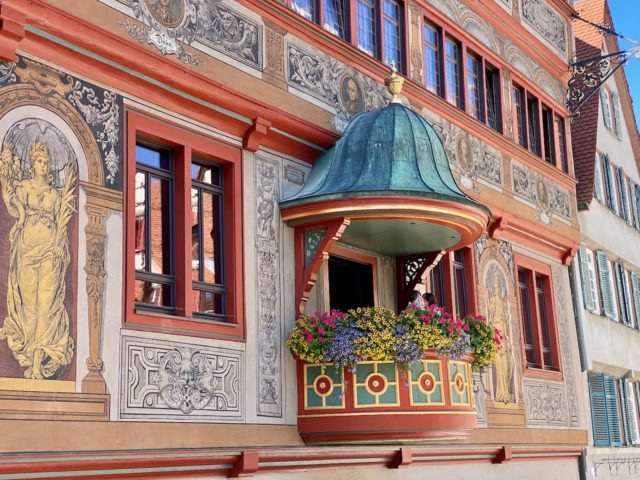
Medieval streets
It’s a delight to explore the old town’s streets and lanes. Some of my favourites include Haaggasse, Ammergasse, Münzgasse, Marktgasse and Kornhausstrasse. Make sure to explore the little lanes and narrow staircases that connect the main streets in this hilly town.
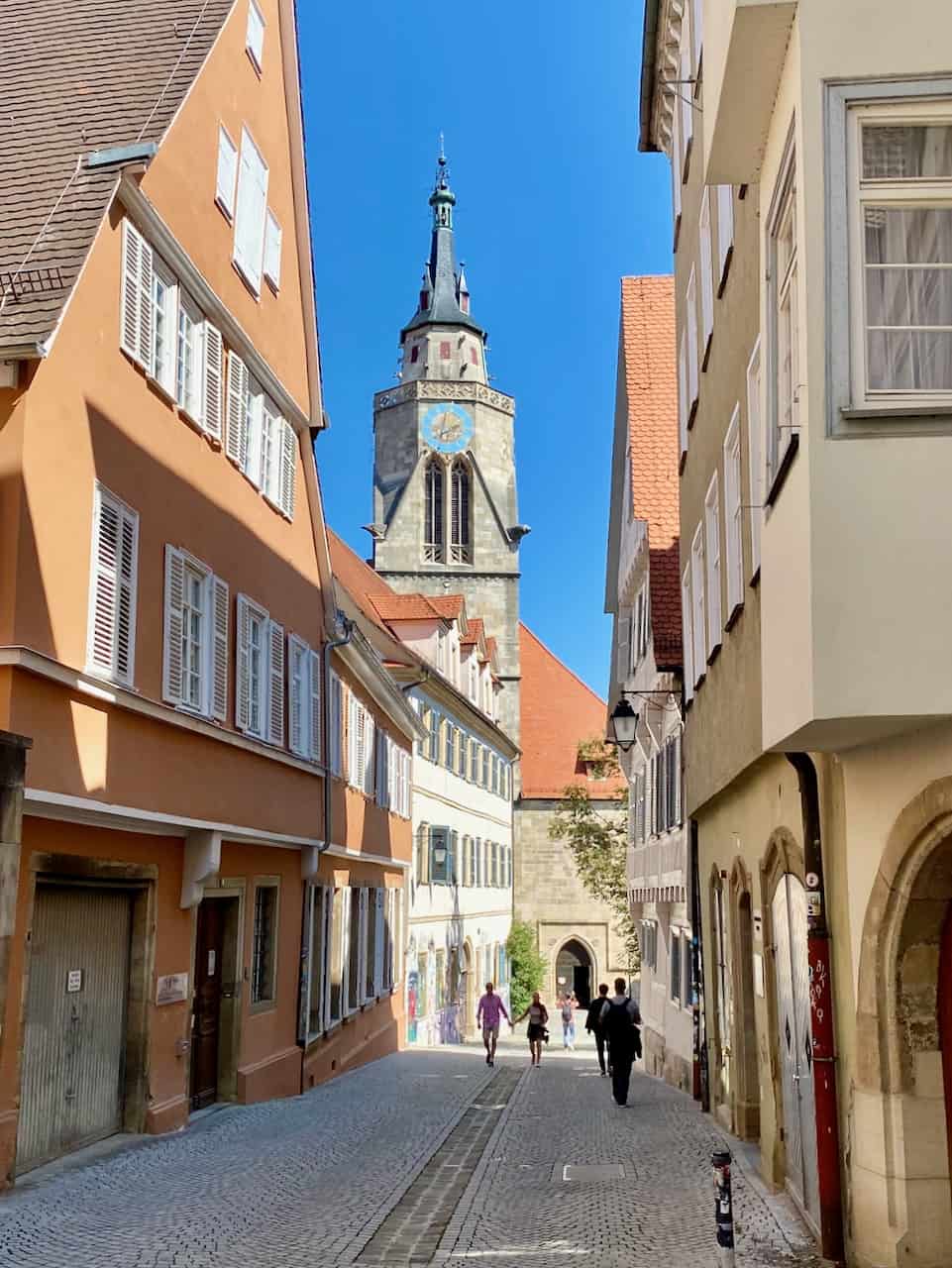
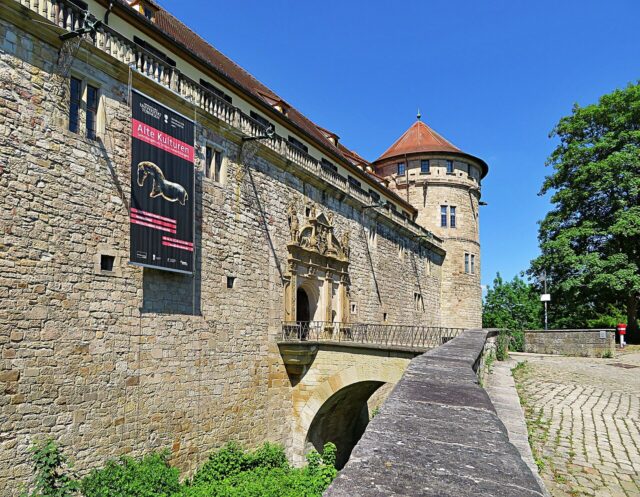
Hohentübingen Castle
High up on the hill, overlooking the old town, sits the 11th century Hohentübingen Castle. Formerly the residence of the Lords of Tübingen, and later the Dukes of Württemberg, the castle now houses the Institute of Classical Archaeology and its Museum of Ancient Cultures. It’s also a great spot for panoramic views of the old town.
Other attractions in Tübingen include the Neckarinsel (island in the Neckar river), with its avenue of plane trees; the Botanical Gardens and the Bebenhausen Monastery (15 minutes outside the town).
Where to stay in Tübingen
There are numerous accommodation options in and around the old town. I recommend the lovely Hotel Am Schloss, near the castle; or Hotel Krone Tübingen, located between the train station and the old town.
Where to eat in Tübingen
Being a university town, there is a broad range of eateries for different budgets. I recommend trying the local Swabian cuisine at a restaurant such as Mauganeschtle or Gasthaus Bären.
Augsburg
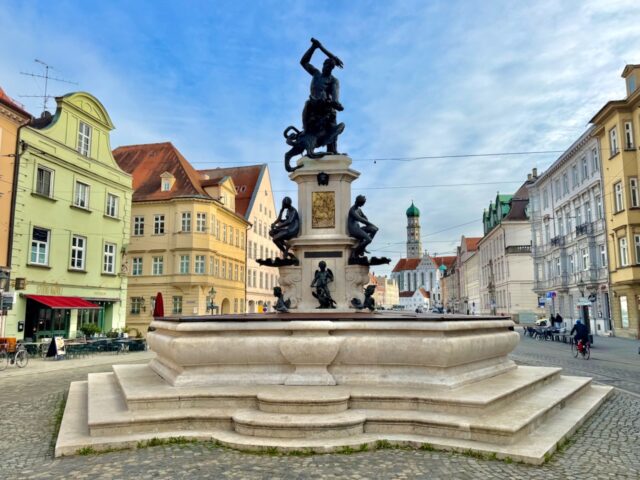
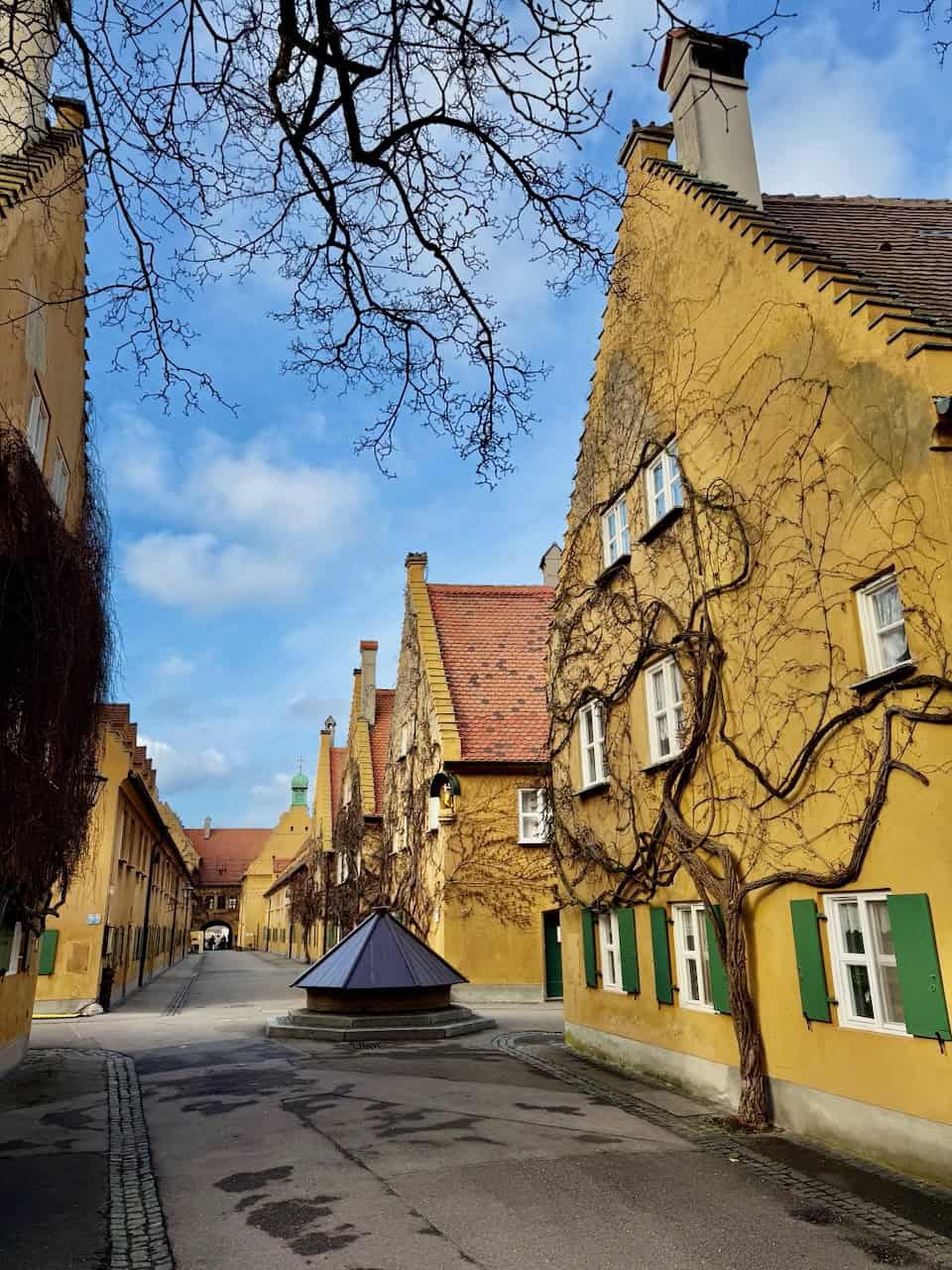
Fuggerei
The historic Fuggerei is the world’s oldest social housing complex that’s still in use since the 16th century. Residents pay a symbolic amount (about €1 per year!) in exchange for saying their prayers three times a day.
Where to stay in Augsburg
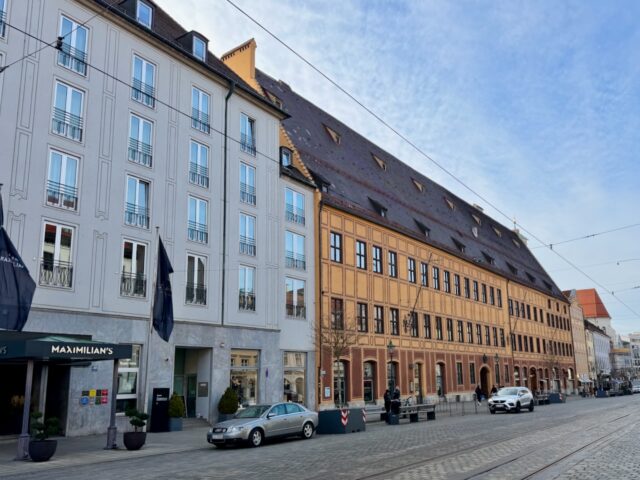
The grandest hotel in Ausgburg is undoubtedly Hotel Maximilian’s, an iconic institution in the city centre. Another hotel I can recommend is City Hotel Ost am Kö, situated on the edge of the historic centre and just a 10-minute walk to the train station.
Where to eat in Augsburg
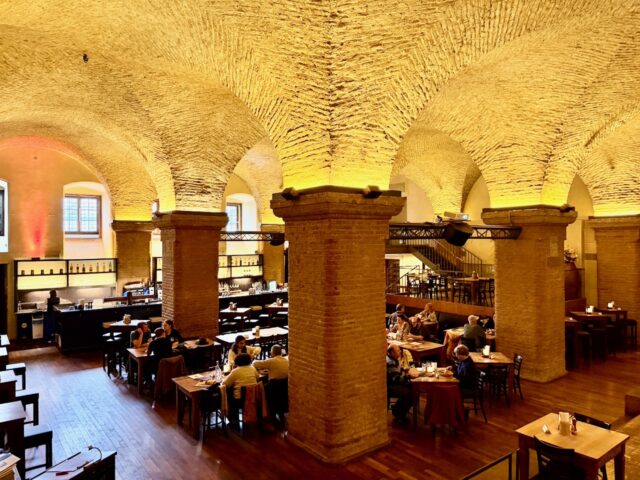
I loved the experience of dining in the huge vaulted space of the Ratskeller. Serving typical German fare, the Ratskeller is an institution in the city and is located beneath the Ratshaus.
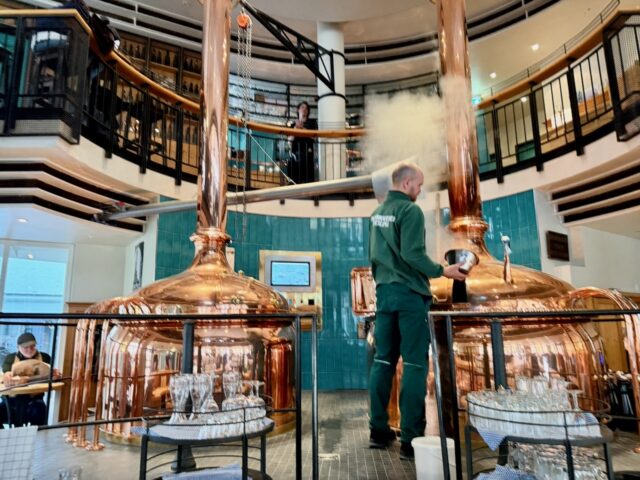
Another restaurant I can recommend is the Riegele Wirtshaus. Situated near the train station, this brewery/restaurant serves excellent beer and delicious local cuisine.
Regensburg
Where to stay in Regensburg
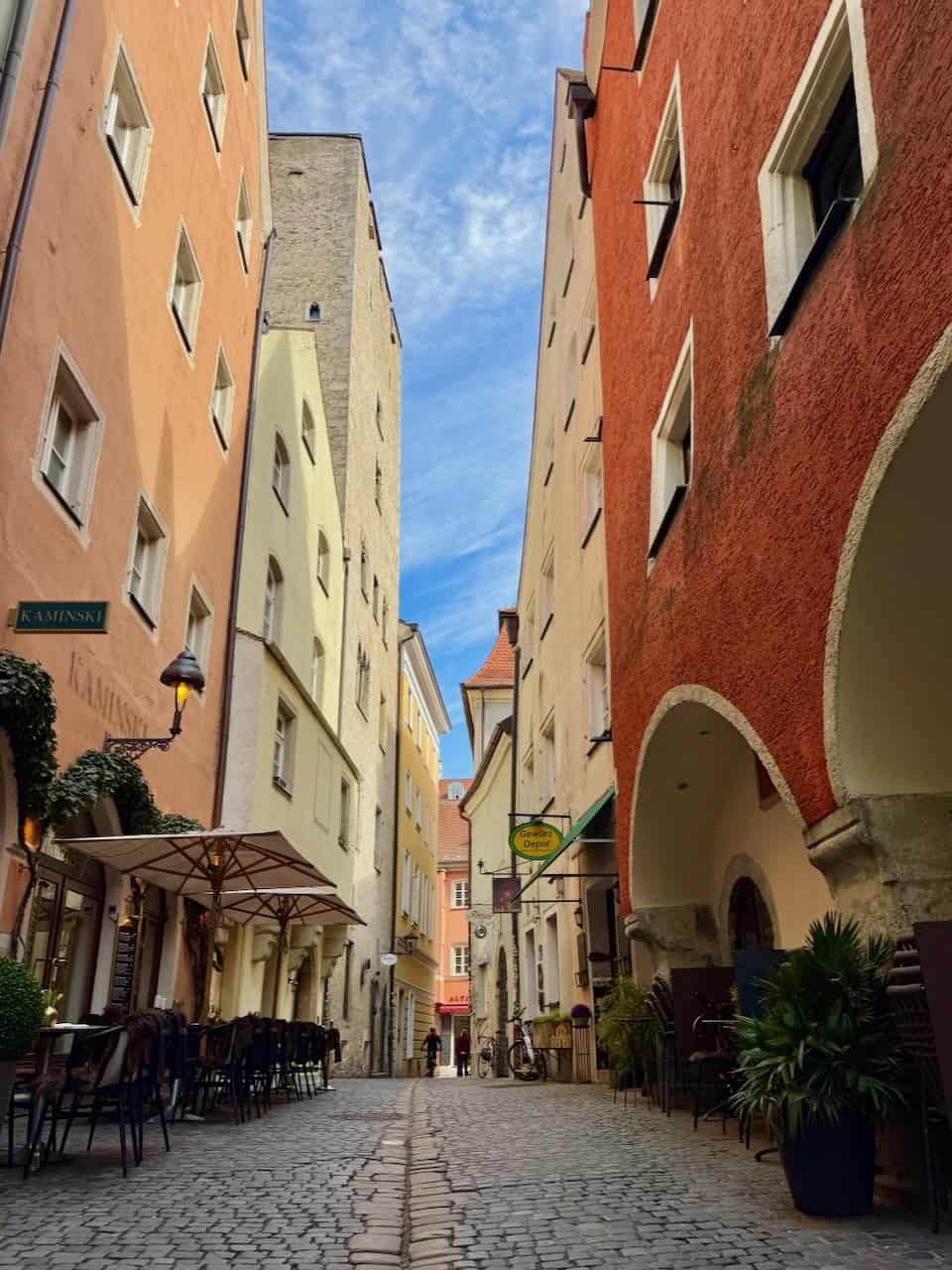
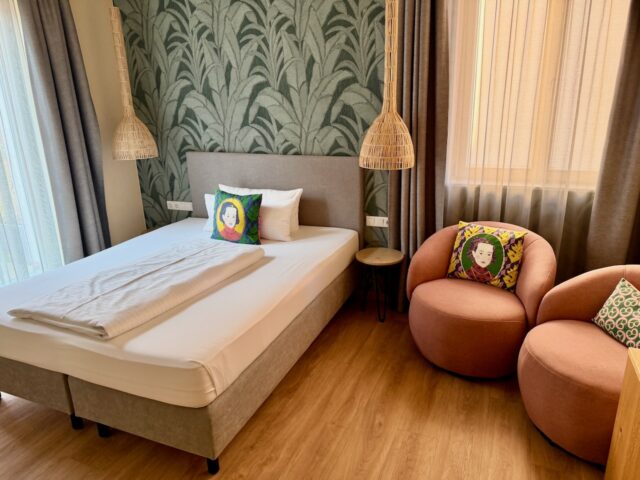
I recommend Hotel Das Regensburg, a delightful hotel in the historic centre yet just a 7-minute walk from the train station. The hotel has spacious rooms with very comfortable beds, a lovely courtyard and a cheery breakfast room. I especially love how the hotel pays hommage to Barbara Blomberg, a Regenburger in the 16th century who rose to prominence from a simple background.
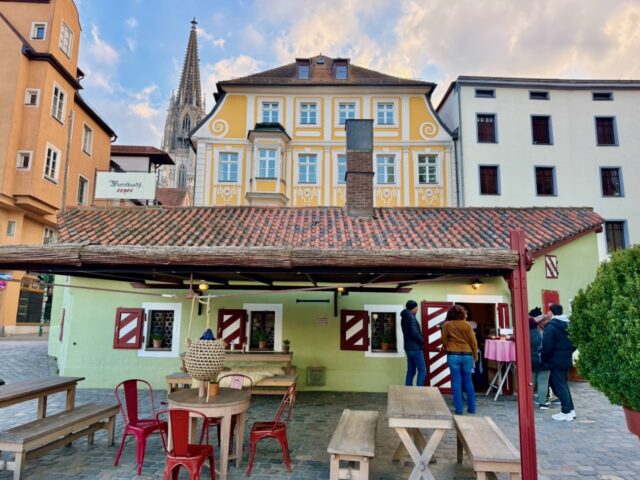
Where to eat in Regensburg
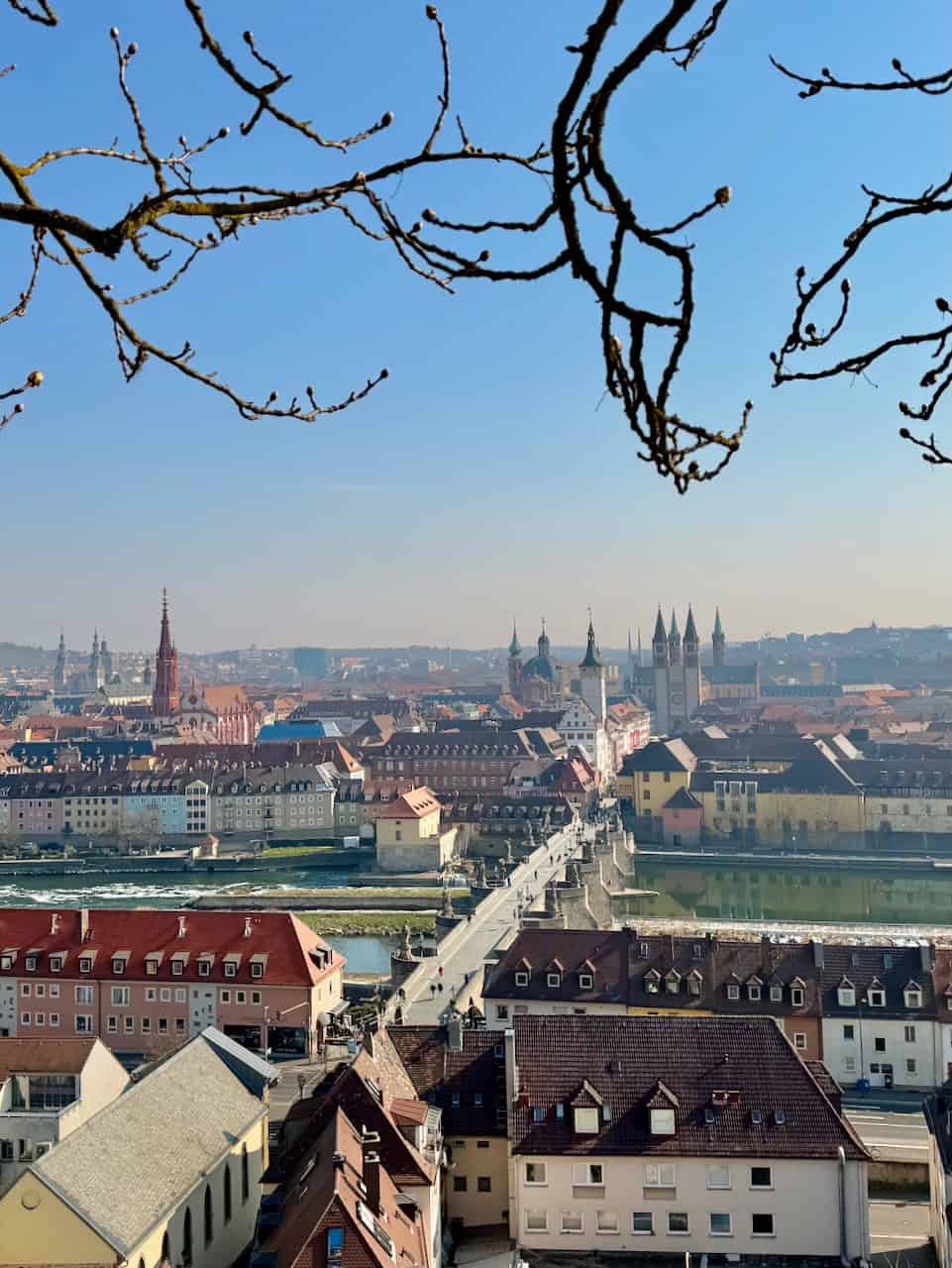
Würzburg
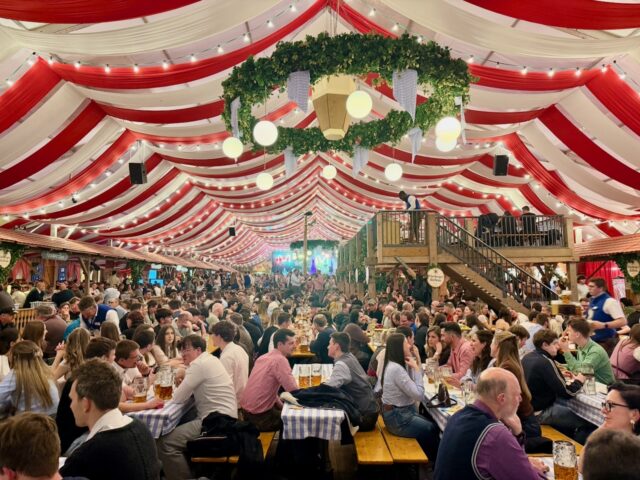
During my last evening in Würzburg, I was invited to join the spring beerfest at the Würzburger Frühjahrsvolksfest – a fun fair and beer festival held to celebrate the arrival of spring. It’s a boisterous affair with music, dance, local food and LOTS of beer! If you’re looking for a more local ‘Oktoberfest’ beer festival experience earlier in the year, make a note of this event.
Where to stay in Würzburg
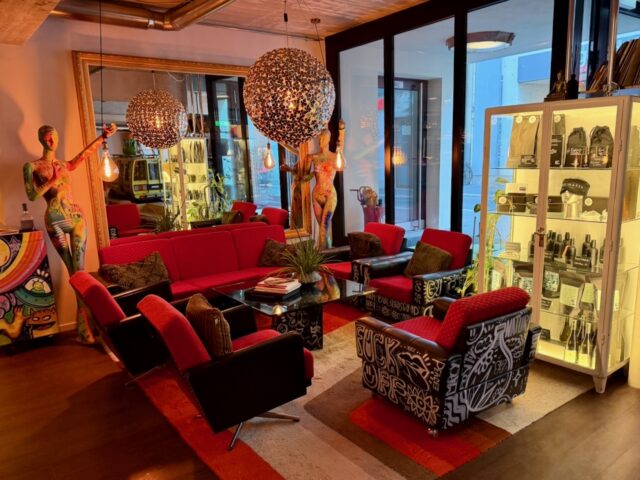
I had an enjoyable stay at the colourful Barthels Boutique Hotel. Very centrally located, the hotel has comfortable rooms and a secret rooftop!
Where to eat in Würzburg
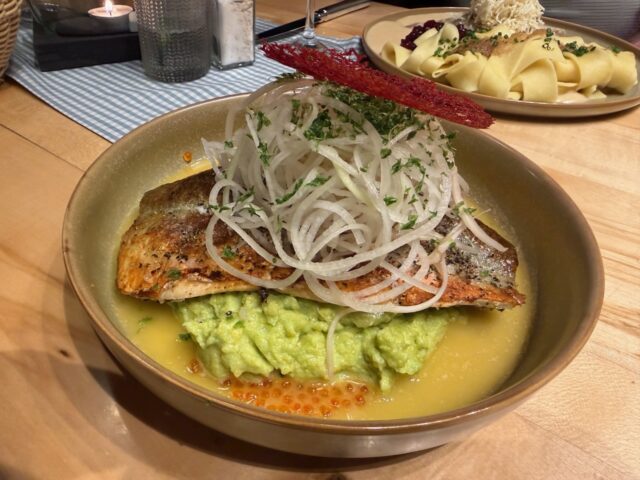
One restaurant that shouldn’t be missed is the Alte MainMühle, located next to the Old Main Bridge. The food and the wines are simply top-notch!
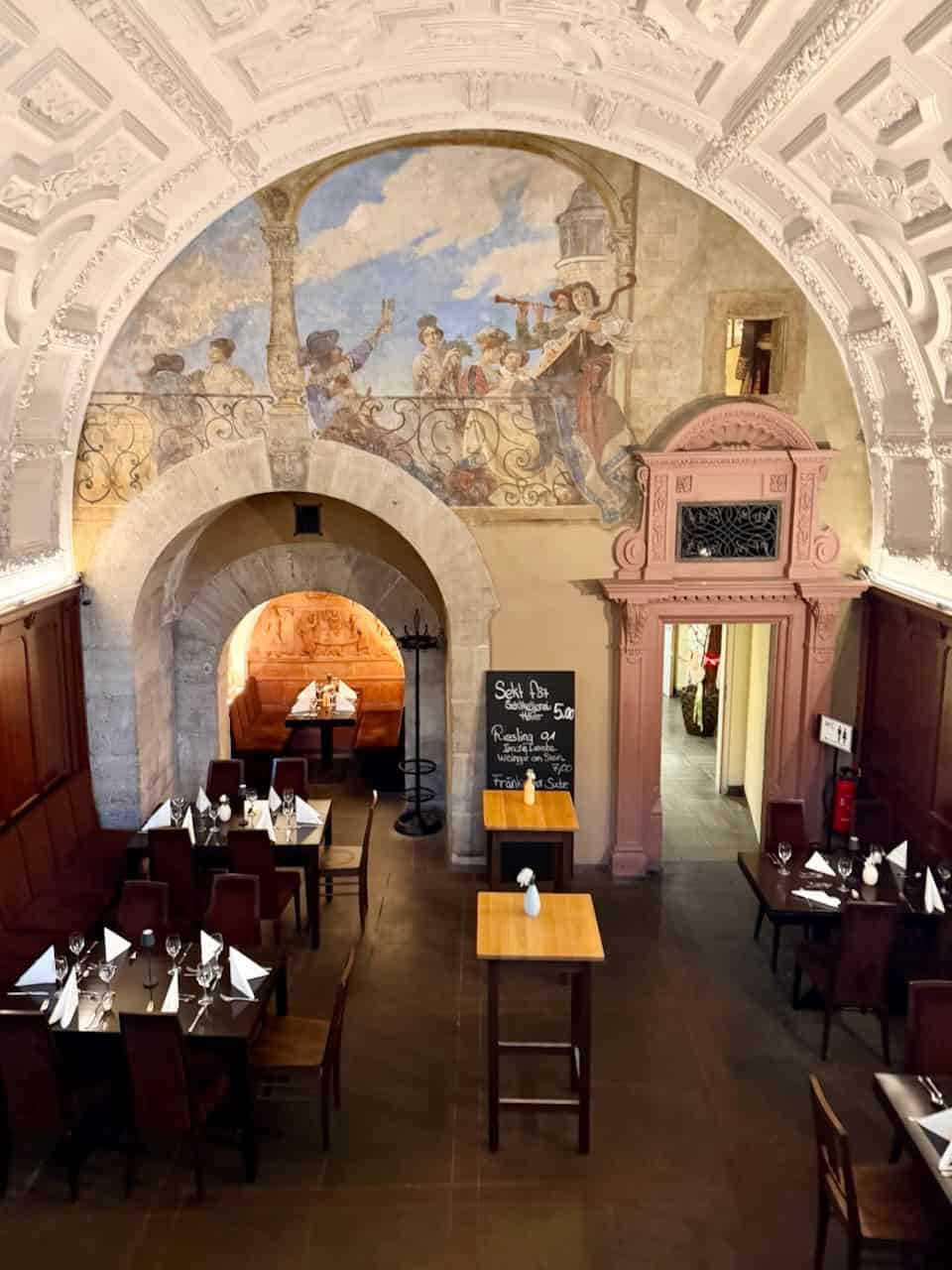
I can also recommend the Ratskeller for a more traditional Franconian meal in an impressive vaulted space.
This was a rail journey full of wonders through the historic highlights of southern Germany, made even more special by the chance to visit various spring events! It served as yet another reminder of the incredible array of history and beauty in this part of Germany.
There are many great reasons to visit Germany and one point that stands out is its vast rail network. This network makes it easy for travellers to visit almost every part of the country. For this trip, I combined reserved seats on the ICE (InterCity Express high-speed trains) with the Deutschland Ticket, a monthly subscription ticket (€63/month) which covers unlimited travel on regional rail lines and local public transport.
Read about my other rail and road trips in Germany:
• Historic cities and Christmas markets in western Germany
• Rivers, wines and history in western Germany
• A northern Germany road trip
• Road trip along the Main River